Delivering high-performance coating solutions
Invisible cleanliness, effortlessly.
Jade Liquid is an antibacterial and deodorizing coating liquid with dispersed copper-derived fine particles. By applying it to walls, fabric products, filters, etc., it helps keep your living space clean.
Copper has been used in the hygiene field since ancient times. This product utilizes its characteristics to help create an environment that suppresses the growth of bacteria.
*Does not guarantee effectiveness against all bacteria.
It acts on substances that cause everyday odors and is expected to work to reduce odors in the space.
*Effectiveness varies depending on the environment.
Designed to not significantly compromise the appearance even after application. Can be used on transparent materials and fabric products.
*Finish varies depending on the material.
Designed near neutral pH to minimize burden on materials.

We provide hybrid catalyst coating for various facilities, including offices, medical institutions, restaurants, and private residences. Our professional technicians propose the optimal coating plan according to the situation of the site. We support the creation of safe spaces by reducing the risk of contact infection.

"From the era of coating glass to the era of refining with crystal."
Not just protecting transparency, but "refining" it. Suntech provides next-generation "Liquid
Crystal" coating.
Besides improving aesthetics and adding antibacterial properties, it is compatible with various materials from kitchen fixtures to cars, fabrics, and leather products. It not only protects against dirt and scratches but also brings out the original beauty of the material and maintains its clean state for a long time.

Apply the latest nano-coating to the surface of tires. By protecting the surface while maintaining the flexibility of the rubber, we realize amazing performance improvements.
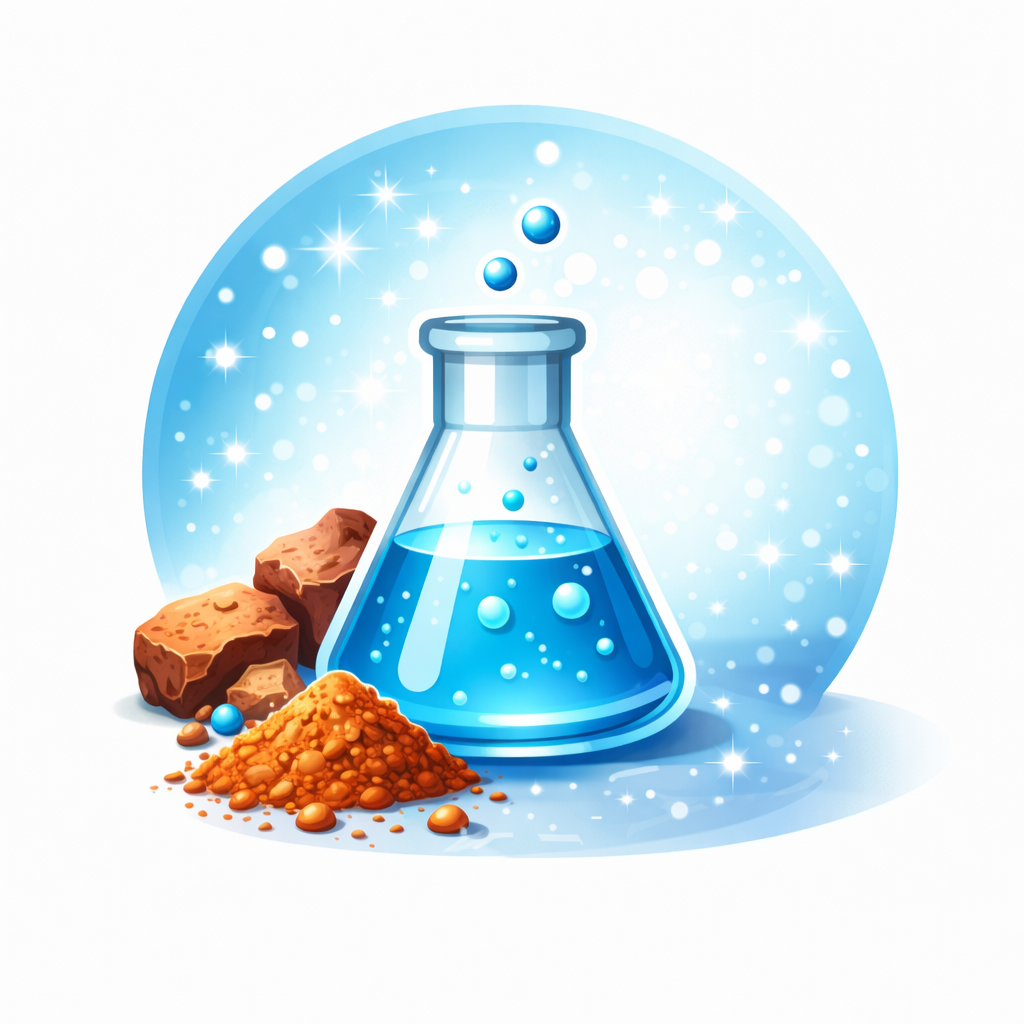
Cuprous oxide (Cu₂O) is a widely researched material for antibacterial, photoresponsive, and catalytic applications. However, challenges in practical systems include "oxidation of the Cu⁺ state," "decrease in activity due to particle growth and aggregation," and "dispersion stability dependent on strongly alkaline conditions." Particularly, achieving both stable retention of Cu⁺ under neutral conditions and long-term dispersibility is considered a bottleneck in application development.
We are designing processes to control Cu⁺ species in the nanoscale range (several nm to tens of nm) and provide dispersion stability in the neutral pH range (around pH 7). This system is designed to enable the handling of Cu₂O dispersion systems, which previously tended to depend on alkaline conditions, under neutral conditions.
Compared to Silver (Ag) and Gold (Au) nanomaterials, copper-based materials can be subjects for consideration from the perspectives of "raw material cost," "elemental resource availability," and "visible light responsive characteristics." However, this does not guarantee performance equivalent to precious metal materials, and functional evaluation for each application is a prerequisite.
This material can be an evaluation subject in the following areas:
*Performance depends on substrate conditions, particle size distribution, concentration, light conditions, and environmental conditions.
Evaluation design can be considered individually by application.